Launching a podcast without an existing audience is a bold step into a crowded market. However, it’s also an opportunity to create something uniquely yours. This guide will walk you through how to build a podcast audience from the ground up.
Whether your goal is to share stories, connect over shared interests, or explore a niche topic, starting a podcast can be deeply rewarding. We’ll cover everything from the basics of the podcasting landscape to creating engaging content. Your voice is ready to make an impact; let’s discover how to get it heard!
What are the Advantages and Disadvantages of Starting a Podcast from Scratch?
Starting a podcast from scratch is a journey filled with opportunities and challenges. Understanding these can help set realistic expectations and prepare you for the future.
Advantages:
- Creative Freedom: Without an existing audience or brand constraints, you have the liberty to experiment with content, format, and style. This freedom allows you to express your voice and vision authentically.
- Learning Opportunity: Building a podcast from the ground up is a hands-on way to learn about audio production, content creation, marketing, and audience engagement. These skills are valuable and transferable and can enhance your personal and professional growth.
- Community Building: Starting without an audience means every listener you gain is a direct result of your efforts. This can lead to building a highly engaged community that feels a strong connection to you and your content.
Disadvantages:
- Slow Growth: Without initial listeners, growth can be slow and requires patience. It takes time to build momentum and attract a significant audience.
- Resource Intensive: Producing a podcast involves time, effort, and potentially money (for equipment and hosting). Without an audience, there’s no immediate return on investment, making it a labor of love in the early stages.
- Visibility Challenges: Standing out in a saturated market without an existing platform can be challenging. It requires strategic promotion and networking to increase visibility.
Building a Podcast Audience: Essential Tips for Gaining Your First Followers
Starting a podcast without any listeners might feel dejecting at first. Yet, by understanding the podcasting environment and thoughtfully positioning your show, you can greatly enhance your prospects of attracting an audience. Below are crucial strategies to help you secure your initial followers and foster a dedicated listener base.
Step 1: Understand the Podcasting Landscape
Before you do anything else, it’s important you understand the industry you are getting into if you want to take it more seriously.
The podcast world is huge, with over 4.3 million shows globally as of January 2024, per podcastindex.org. This tells us it’s a crowded space, but there’s room for everyone who brings something fresh to the table. In 2023, U.S. podcasting was expected to rake in $2.3 billion, with predictions of hitting $4 billion in ad revenue by 2024. These numbers aren’t just big; they show podcasts are a serious business with lots of potential for budding creators like you.
For anyone thinking of starting a podcast, these facts are golden. Yes, you’re stepping into a very packed room, but there’s a clear appetite for content that stands out. Finding your special angle is key. Make sure your podcast doesn’t just add to the noise but actually cuts through it.
In short, getting the lay of the land is step one. Knowing what you’re up against and the potential rewards can help shape your podcasting journey from a mere idea into a standout show.
Step 2: Define Your Podcast’s Purpose and Audience
Yes, we know you’ve heard/seen/read this multiple times, but there’s an important reason for it. Creating a podcast for beginners starts with knowing your purpose and your audience. This will not only guide your content creation but also help you connect with the right listeners.
Identify Your Niche
Finding your niche is like choosing your path in a vast forest; it determines the direction you’ll take. It should be something you’re passionate about—whether it’s personal finance, self-improvement, or mindfulness for busy professionals. Your niche doesn’t have to be ultra-specific, but it should be clear enough to set you apart and attract listeners who share your interests. Ask yourself what unique perspective or value you can bring to this area. That’s where your podcast will shine.
Example #1: Take a look at Ramit Sethi’s “I Will Teach You to Be Rich” Podcast.

In his podcast, Ramit Sethi spotlights couples facing genuine financial challenges, providing solutions that are both practical and accessible. As a listener, you’re drawn into the conversation, feeling as though you’re sitting right there with them. Sethi has carved out a unique niche within the personal finance space, where his expertise and engaging content truly stand out.
Example #2: Caleb Hammer’s Financial Audit
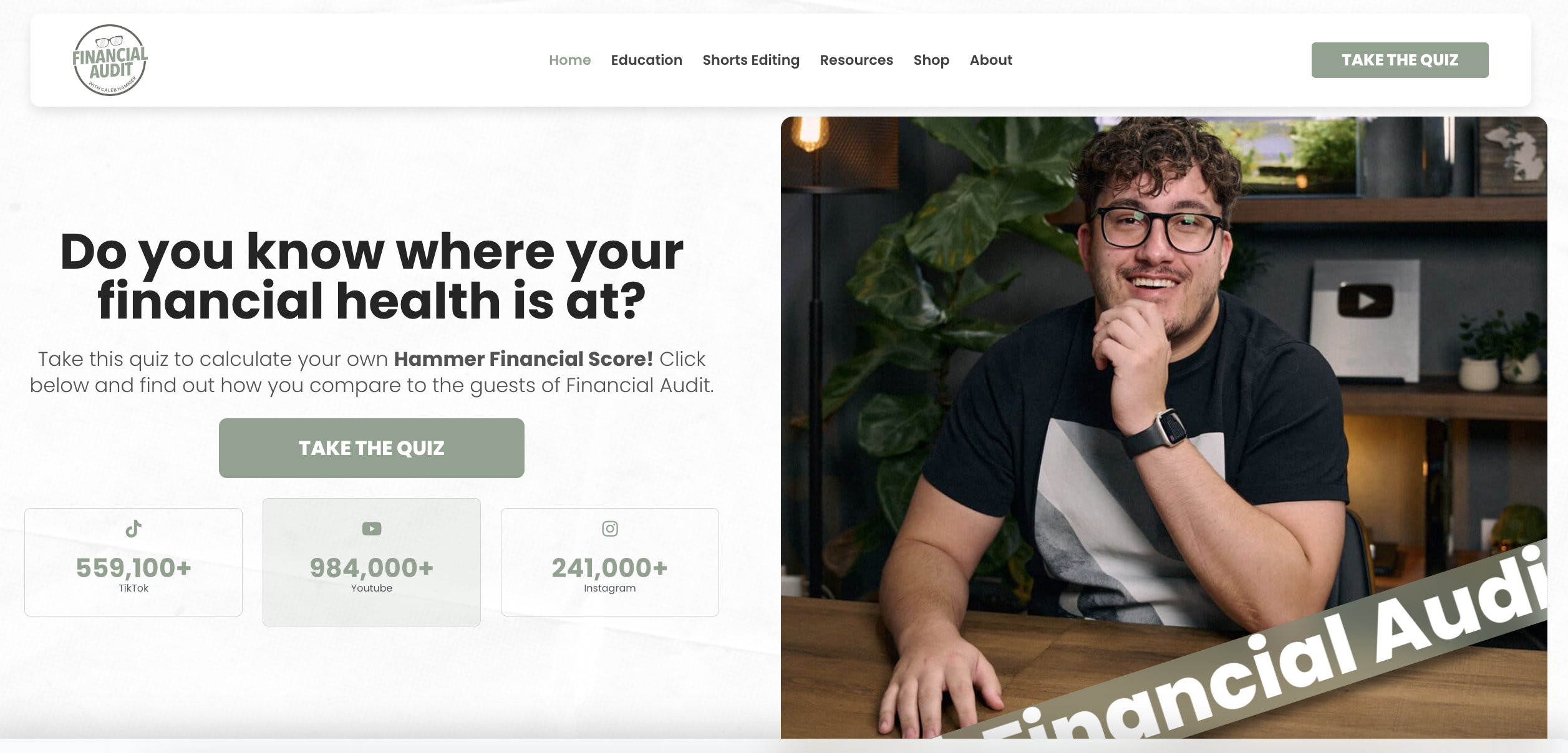
Caleb and Ramit both excel in the personal finance space, but they’ve carved out distinct niches for themselves. While Ramit specializes in examining and advising on the finances of couples, Caleb turns his attention to individuals wrestling with financial issues, providing no-nonsense and “in-your-face” personalized guidance and solutions.
Understand Your Target Audience
Once you’ve pinpointed your niche, it’s time to get to know your future listeners. Who are they? What do they care about? Why would they tune into your podcast? Understanding your audience goes beyond demographics. It’s about getting into their heads, figuring out their challenges, interests, and what they’re searching for in a podcast. This insight will shape everything from your content and tone to how you promote your show.
Example: Take a look at Nurse John’s “I Beg Your Pardon” Podcast.
Nurse John’s “I Beg Your Pardon” Podcast gives insight into the daily challenges and intense experiences of healthcare workers. He dubs it as a”weekly therapy” for nurses. By sharing frontline stories and interviewing colleagues, he reveals the emotional and physical demands of the healthcare profession while also highlighting the remarkable resilience and commitment of those in the field.
Remember, defining your podcast’s purpose and audience is like laying the foundation for a house. It’s the essential first step in supporting everything you’ll build on top.
Step 3: Craft High-Quality Content
Creating content that captivates and keeps your audience coming back is the key to a successful podcast. Quality content does more than attract listeners—it turns them loyal fans.
Remember, your content is what sets you apart. It’s not just about sound quality but the value each episode brings. Whether through engaging stories, insightful interviews, or practical tips, you aim to give listeners a reason to return.
Here’s a basic process on how to help you get started on creating high-quality content:
- Planning: A content calendar keeps you organized and consistent. Consider what your audience craves and how each episode fits your podcast’s purpose.
- Scripting: A script or outline can guide your conversation, ensuring you hit all your marks without wandering off course. Strike the right balance between structure and spontaneity.
- Producing: Good audio quality makes a difference. Invest in decent equipment and basic editing to polish your sound. Simple touches like music or effects can enhance the experience, but the focus should always be on your content.
Step 4: Have a Good Basic Setup
People who regularly listen to podcasts already have a base-level expectation of audio and video quality. A basic setup can get you started on a budget, ensuring your podcast sounds great without breaking the bank.
Basic Equipment and Software
- Microphone: A good quality microphone is the most crucial investment for your podcast. You don’t need the priciest option, but choose a USB microphone known for clear audio capture within your budget.
- Headphones: Decent headphones help you monitor your audio for consistent quality. Look for comfortable, closed-back headphones to catch any issues in real time. If you’re searching for the best podcasting headphones to enhance your audio experience, be sure to explore our comprehensive guide where we dive into top picks that meet a range of needs and budgets.
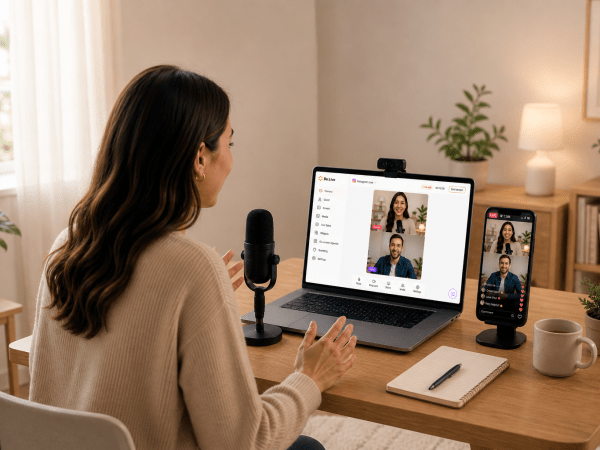
- Recording Software: There are free and affordable software options that are user-friendly for beginners. Free and low-cost options like Audacity and GarageBand (for Mac) are great for recording and editing. Additionally, platforms like Be.Live offers a web-based solution for streaming that doubles as a podcasting tool. You can engage with your audience in real-time and easily convert your live streams into podcast episodes, making it an efficient way to produce audio and video content.
- Hosting Platform: You’ll need a place to store and distribute your podcast episodes. Many hosting platforms cater to podcasts specifically, offering affordable plans with easy upload, management, and analytics tools.
Simple Editing Techniques
- Noise Reduction: Background noise can distract from your content. Use your editing software’s noise reduction feature to clean up your audio.
- Levelling: Ensure your audio levels are consistent throughout your podcast. Levelling tools help balance the sound, making for a smoother listening experience.
- Cutting and Trimming: Cut out mistakes, long pauses, or off-topic tangents. Trimming tightens your episode, keeping it engaging from start to finish.
- Enhancing: Basic enhancements, like adjusting the bass and treble, can make your podcast sound more professional. Experiment with your software’s EQ settings to find what works best for your voice and style.
Starting your podcast with the right technical setup is easier and more affordable than you might think. With some basic equipment and a few editing techniques, you can produce polished and professional episodes.
Step 5: Launch Your Podcast
A well-thought-out launch strategy, encompassing everything from a content calendar to your podcast’s branding, can make all the difference.
Creating a Content Calendar
Stop just saying that you will launch your podcast – actually put a date on it! Start by creating a content calendar. It helps you plan out episodes, ensuring listeners can rely on a consistent release schedule.
Start by plotting out episode topics, recording schedules, and release dates. This not only keeps you organized but also allows you to strategically plan content around special events, holidays, or relevant trends, keeping your podcast timely and engaging.
Branding
Your podcast’s branding is crucial in making a memorable first impression. This includes your podcast name, logo, and overall visual identity, which should resonate with your target audience and reflect the tone and content of your show.
- Utilize AI for Branding: For those bootstrapping their podcast, AI tools offer a cost-effective solution to generate a brand from scratch. Platforms like Canva or ChatGPT leverage AI to help design logos and visual elements, enabling you to create a professional look for free or at minimal cost.
- Visual and Audio Packaging: Beyond the visual elements, consider your intro music, outro, and the voice you use in your episodes as part of your branding. These auditory elements contribute to your podcast’s identity just as much as your visual brand.
- Consistency is Key: Ensure that your branding is consistent across all platforms where your podcast is present, from your hosting platform to social media. This uniformity helps build recognition and trust with your audience.
Launching your podcast is more than just making your podcast available; it’s about launching with intention, making sure your podcast stands out in a crowded marketplace, and building a foundation for growth. Your launch is just the beginning. The ongoing effort you put into your podcast will continue to build its momentum.
Step 6: Promote Your Podcast
After your podcast goes live, focusing on promotion is essential for audience growth. While it might be challenging, it’s entirely possible to promote your podcast organically without spending any money.
Here are a few strategies to consider:
Leverage Social Media
Social media is a powerful tool for podcast promotion. Share episodes, behind-the-scenes content, and engaging visuals or audio snippets to spark interest. Use relevant hashtags, tag guests, and encourage sharing to broaden your reach.
Platforms like TikTok, Instagram, and X offer different ways to connect with potential listeners, from short teasers to longer discussions in related groups.
Example: Nurse John on TikTok
 Nurse John uses his TikTok (and YouTube short accounts) to share funny yet real challenges he experienced as a healthcare professional. These short clips often funnel audiences to his I Beg Your Pardon podcast, which we featured earlier.
Here are more ideas that you can try:
- Transform your podcast into various formats for different platforms, like Instagram Reels, to broaden your reach.
- Use ChatGPT to convert your podcast episodes into engaging blog posts summarizing key takeaways.
- Craft Twitter (X) threads discussing your podcast’s theme, ending with a prompt to hear the entire episode.
- Condense the core messages of your podcast into eye-catching Pinterest posts.
- Participate actively in Facebook groups related to your podcast’s topic to engage with potential listeners.
Engage with Podcast Communities
Numerous online communities are dedicated to podcast enthusiasts and creators. Joining these communities on platforms like Reddit, Discord, or specific podcasting forums can help you gain valuable insights, receive feedback, and increase your podcast’s exposure. Participate actively, offering advice, asking questions, and sharing your experiences while respectfully promoting your podcast.

Reddit is an invaluable resource for podcasters, offering tips and promotion opportunities. Authenticity and helpfulness can spark interest in your show without direct self-promotion.
Collaborate with Other Podcasters
Teaming up with other podcasters can be mutually beneficial. Guest appearances, cross-promotions, or collaborative episodes can help you engage with a new audience.
Look for podcasters with a similar target audience but not direct competitors. This way, both parties can benefit from the shared exposure. Remember to focus on building genuine relationships rather than just transactional interactions.
Step 7: Engage Your Audience (No Matter How Small)
A strong, engaged audience (no matter how small) is the backbone of any successful podcast. Actively involving your listeners and integrating their feedback are key strategies for growth and improvement.
Here are ways to encourage listener engagement:
- Social Media: Use your platforms to create a community around your podcast. Ask questions, run polls, and share content encouraging comments and discussions. Highlight listener contributions in your episodes or social media posts to foster a sense of belonging and appreciation.
- Email: An email newsletter can be a direct line to your audience. Include teasers for upcoming episodes, exclusive content, or behind-the-scenes looks. Encourage replies by asking for feedback or suggestions, making your listeners feel heard and valued.
- Live Events: Hosting live Q&A sessions, meetups, or participating in podcasting events can deepen your connection with your audience. These interactions provide real-time engagement and feedback, adding a personal touch that can solidify listener loyalty.
Collecting and Implementing Feedback
- Surveys and Polls: Tools like Google Forms can gather listener opinions on various aspects of your podcast, from content preferences to suggestions for improvement.
- Review Analysis: Regularly review listener comments and ratings on podcast platforms. Look for common themes or suggestions that could help refine your podcast’s direction or quality.
- Implementation: Transparently implementing feedback is crucial. If several listeners suggest better audio quality or express interest in a particular topic, addressing these points can show that you value their input. Share updates on changes made based on feedback, reinforcing that your audience’s opinions directly impact the podcast.
Step 8: Monetize Your Podcast
Once you’ve done all the steps above, it’s time to learn how to monetize your podcast. Don’t “wait” until you become big to start earning money from your hardwork. There are ways for smaller podcasters to earn money from their podcasts. Here are some of them:
- Affiliate Marketing: Earn commissions by recommending products you trust and providing your audience with affiliate links to make their purchases.
- Listener Support: Utilize platforms like Patreon to let fans contribute financially, rewarding them with exclusive content or special perks.
- Spread Your Podcast: Distribute your podcast across multiple platforms to increase listenership and potentially earn money from ad revenue, similar to how content is monetized on YouTube.
These approaches can help you begin to generate revenue, setting a foundation for more substantial monetization as your podcast expands.
Best Podcast Ideas for Beginners
Starting a podcast can be exciting, but finding the right topic can sometimes feel overwhelming. Here are some engaging podcast ideas that are particularly suitable for beginners, offering a mix of versatility and potential for deep exploration:
- Interviews with Industry Insiders: Sharing insights from professionals in a specific field can provide immense value to your listeners and doesn’t require you to be the sole expert.
- Book or Movie Reviews: Dive into the latest releases or classics in literature and film, offering your unique take and sparking discussions among enthusiasts.
- Personal Development and Motivation: Sharing tips on productivity, mental health, or personal growth can resonate with listeners looking to improve themselves.
- Behind-the-Scenes of Your Profession: Giving listeners a peek into what your job entails, especially if you’re in a creative or uncommon field, can be fascinating and educational.
- Local History or Unsolved Mysteries: Explore the rich history or mysterious stories of your local area, bringing attention to lesser-known tales and facts.
- Technology Trends and News: With the tech world constantly evolving, discussing the latest gadgets, software, or tech controversies can capture a tech-savvy audience.
These ideas are just starting points. The key to a successful podcast lies in choosing a topic you’re passionate about and willing to explore in depth.
In Summary
Starting a podcast from scratch is a journey filled with opportunities for growth, creativity, and connection. By focusing on the essentials—crafting engaging content, understanding your audience, employing smart promotion strategies, and leveraging monetization options—you set the foundation for a successful podcast.
Remember, every popular podcast began with a single episode and no listeners. With dedication and these strategic insights, you can create a podcast that not only finds its audience but also makes a lasting impact.

Frequently Asked Questions
What do you need to start a podcast?
To start a podcast, you’ll need a few basic things: a clear concept and target audience, a good quality microphone, headphones, recording and editing software, and a hosting platform to publish your episodes. Additionally, creating a content calendar can help organize your topics and schedule. As you grow, consider investing in better production equipment, exploring monetization options, and using social media and community engagement to broaden your reach. Passion for your topic and consistency in publishing content are also key factors in launching and maintaining a successful podcast.
Can you start a podcast with no money?
Starting a podcast with no money seems impossible, but doable. You can start a podcast with minimal to no initial investment by using free recording and editing software, using affordable or built-in microphones, and hosting your podcast on free platforms. The key is to focus on content quality and audience engagement.
Should I start a podcast with no audience?
Absolutely. Every podcast begins with zero listeners. Building an audience takes time and consistent effort, but by sharing your unique perspective and engaging content, you can gradually attract and grow your listener base.
How much does it cost to create podcasts?
The cost can vary widely, from virtually nothing to thousands of dollars, depending on your technical setup and production values. Basic setups with a good microphone and free editing software can start under $100, while professional studios and equipment can significantly increase costs.
At what point is a podcast successful?
Success can be measured in various ways, not just by listener numbers. A podcast can be considered successful when it achieves its goals—whether that’s building a community, sharing knowledge, or meeting monetization targets. Consistent listener growth, engagement, and feedback are also key indicators of success.
Can you get paid for podcasts?
Yes, there are several ways to monetize a podcast, including sponsorships, affiliate marketing, listener donations, and subscription models. The potential for earning increases as your audience grows, making content quality and effective promotion crucial.